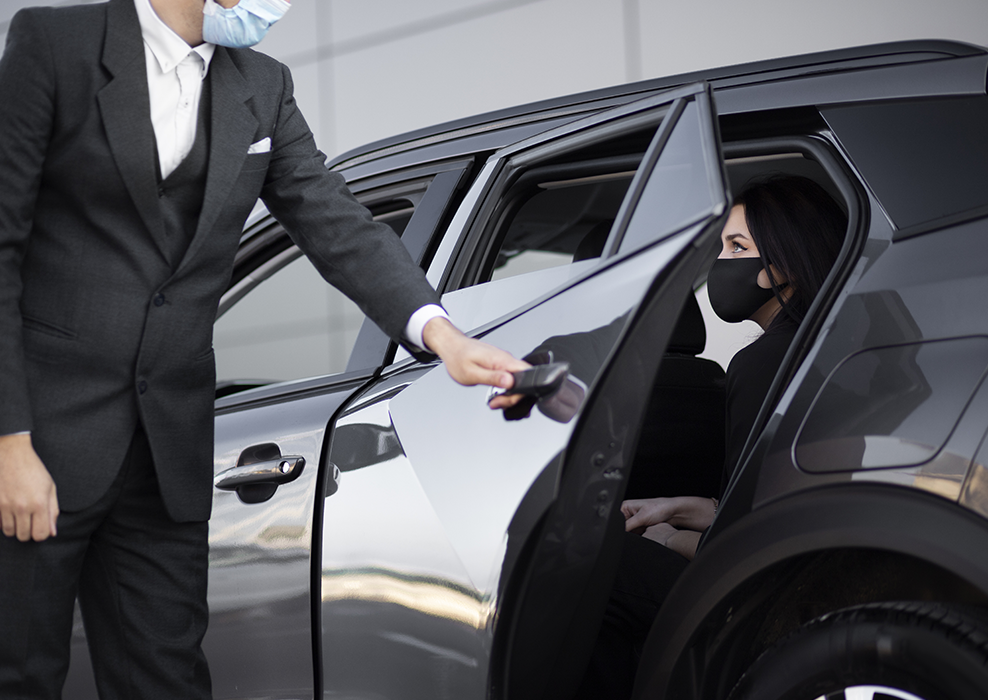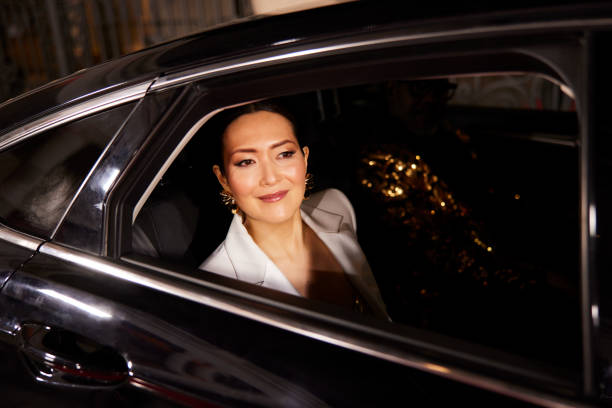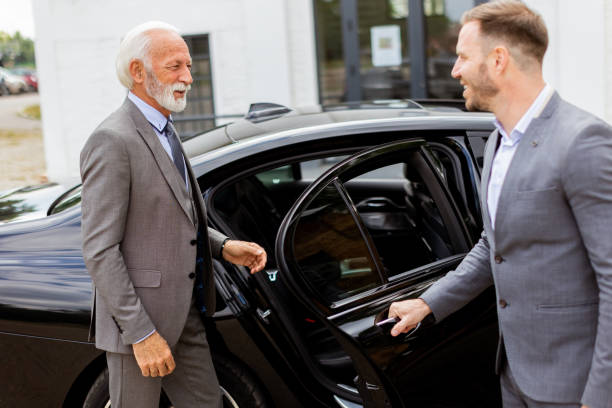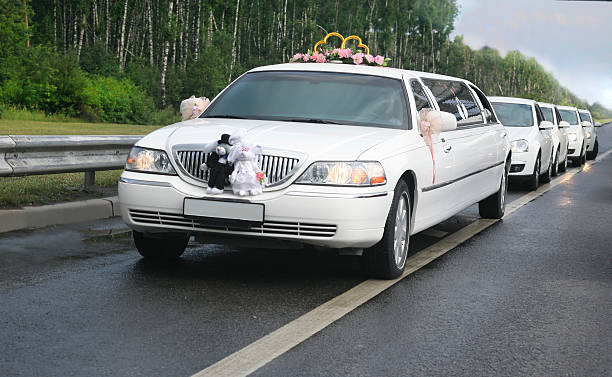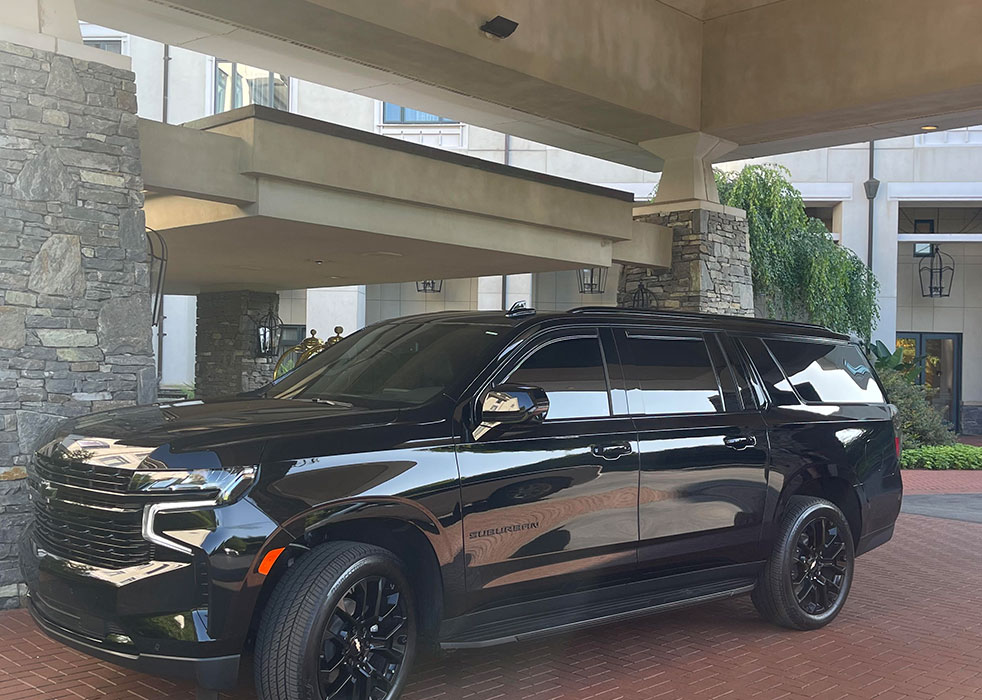
Your wedding day has moving parts without worrying about who’s driving, where to park, or what happens if traffic slows down. Professional wedding transportation keeps people on time, keeps outfits neat, and keeps the day flowing from one moment to the next. It’s not only about a car—it’s planning, safety, and coordination. When a trained team handles routes and timing, you get more space to be present with family and friends.
- A pickup plan for each group
- Vehicles sized for your guest count
- A driver who knows the timeline
That steady start helps the day feel calm.
Time Buffers Beat Delays
Most weddings run on a tight schedule: hair and makeup, first look, ceremony, photos, and reception entrances. A pro transport team plans buffer time so a small delay doesn’t snowball into a late ceremony. Many planners add 10–15 extra minutes to each short transfer, and 20–30 minutes for cross-town trips during peak traffic. Dispatch also sets a “ready at” time, so cars aren’t waiting with doors open and AC running. Route notes cover loading zones and the nearest legal stopping point.
- Extra time between key locations
- A backup route is saved in the GPS
- A staging spot close to the door
With buffers in place, the timeline feels steady, and vendors stay in sync.
One Schedule, Many Stops
Weddings rarely happen in one place. You might have a hotel, a ceremony site, a photo stop, and a reception hall—plus family detours. Professional transportation turns this into one shared plan, managed through dispatch software that tracks vehicles in real time. Drivers receive the same itinerary and order of stops, so you’re not repeating instructions. Good operators also plan load time: moving 8 people into a limo can take 4–6 minutes, while a 50-seat coach can take 8–10 minutes for a full group with wraps and bags.
- One timeline shared with drivers.
- Live tracking for pickups and drop-offs
- Clear labels for each vehicle and group
When everyone follows one schedule, the day runs smoothly.
Safer Rides for Everyone
Safety is a big reason couples choose licensed operators. Professional fleets are maintained on a service schedule, with checks on brakes, tires, lights, and fluids. Drivers are trained for defensive driving, passenger loading, and safe curbside stops—important when guests are in formalwear and moving slowly. Many companies carry commercial insurance that’s higher than a personal auto policy; $1 million liability coverage is common in many markets. For shuttles and coaches, crews also confirm seat-belt condition and emergency exits before service. Some fleets can provide child seats when requested.
- Vehicles are inspected and serviced regularly.
- Drivers screened and trained
- Better coverage than private cars
Safer rides protect your guests and lower the chances of a stressful incident.
Weather And Road Backups
Rain, heat, wind, or a sudden road closure can derail a wedding fast. A professional team plans for conditions before the first pickup. That can mean checking forecasts, choosing covered loading areas, and placing umbrellas, water, or towels in the vehicle. If a route closes, dispatch can redirect using traffic data. If you’re using larger vehicles, pros also check the turning radius and clearance so buses don’t get stuck on narrow streets. Many teams review roadworks and venue rules for where vehicles may wait.
- Weather checks start days ahead.
- Alternate pickup doors at each venue
- Route checks for low bridges and tight turns
When the unexpected happens, you don’t have to problem-solve in wedding clothes.
Guest Shuttles, Clear Arrivals
Guest shuttles are more than a nice extra—they solve logistics. If parking is limited or venues are spread out, shuttles cut down on late arrivals and keep guests together. A 14–24 passenger shuttle can cover small groups, while a 40–56 passenger coach works for larger weddings. Pros set pickup signs, define times, and use a simple loop schedule so guests know the next ride is coming. As a quick math check, two 40-seat coaches can move about 160 guests in two waves.
- One pickup point with clear signage
- Set shuttle windows, like every 20 minutes
- A contact number for day-of questions
When guests aren’t lost or waiting, they arrive relaxed and ready to celebrate.
Photos Stay on Time
Photography runs on light and timing. Miss a photo window, and you may lose the sunset glow or end up rushing family portraits. Professional transportation helps by keeping the wedding party together and arriving where the photographer expects you. Some services coordinate with your photo team so cars are staged for exits, arrivals, and couple portraits. That means fewer gaps explaining directions and more minutes actually taking photos. It also reduces the risk of one person arriving late and holding up the group.
- A planned “photo ride” sequence
- Drop-off spots picked for backgrounds
- Time blocks that protect golden hour
Good transport won’t make the photos, but it protects the time you need to get them.
Comfort In Formalwear
Wedding clothes are not built for cramped rides. Long dresses, fitted suits, veils, and makeup all need space and steady driving. Pros choose vehicles that fit the outfit, not just the passenger count. They manage temperature, smooth braking, and careful door openings. Many wedding vehicles have wider door openings, higher rooflines, and softer suspension, which makes entry and exits easier. Trunk space matters when you’re carrying garment bags, emergency kits, and gifts. A cabin temperature check helps flowers last longer on transfers, too.
- Room for gowns to sit without crushing fabric
- Climate control set before pickup
- Step assistance for heels and trains
When you arrive comfortably, you have more energy for the moments that matter.
Drivers Protect the Budget
It sounds odd, but a paid transport plan can help control costs. When friends drive, you risk late arrivals, parking fees, rideshare charges, and last-minute changes that cost time and money. A professional quote includes the vehicle, driver, fuel, and number of hours, so you can plan around it. Pros also help prevent hidden costs, like towing from restricted lots or overtime charges from vendors waiting on late guests. Clear pickup zones and departures can reduce fuel use from idling and circling.
- Fewer rideshare spikes after the reception
- Less paid parking at crowded venues
- Fewer delays that trigger vendor overtime
By tightening timing and reducing chaos, you keep spending closer to what you planned.
Green Travel Made Simple
Many couples want a smaller footprint, but they still need reliable movement between locations. Group transport can reduce the number of cars on the road and lower fuel use. For example, one 50-seat coach can replace 20–25 separate cars carrying two people each. Some fleets offer hybrid or newer vehicles that meet emissions standards. A pro team can help you choose the most efficient mix based on distance, guest count, and pickup patterns, so vehicles aren’t running half empty.
- Fewer vehicles circling for parking
- Better load planning to avoid half-empty trips
- Options like shuttles, vans, or newer models
A greener plan works best when it’s simple for guests, and that’s where coordination pays off.
End With a Reliable Ride
When the music ends, you want one last smooth moment: getting everyone home safely. Professional transportation keeps that exit clean with pickup points, planned departures, and drivers who stay focused even when the night runs late. It helps older relatives, guests with kids, and anyone who doesn’t want to drive after a long day. A dispatcher confirms vehicles are staged before your send-off.
- A planned final pickup and backup time
- Safe rides for guests who need it most
- A simple send-off that stays on schedule
For a calm day from start to finish, book with On-Time Car Services.