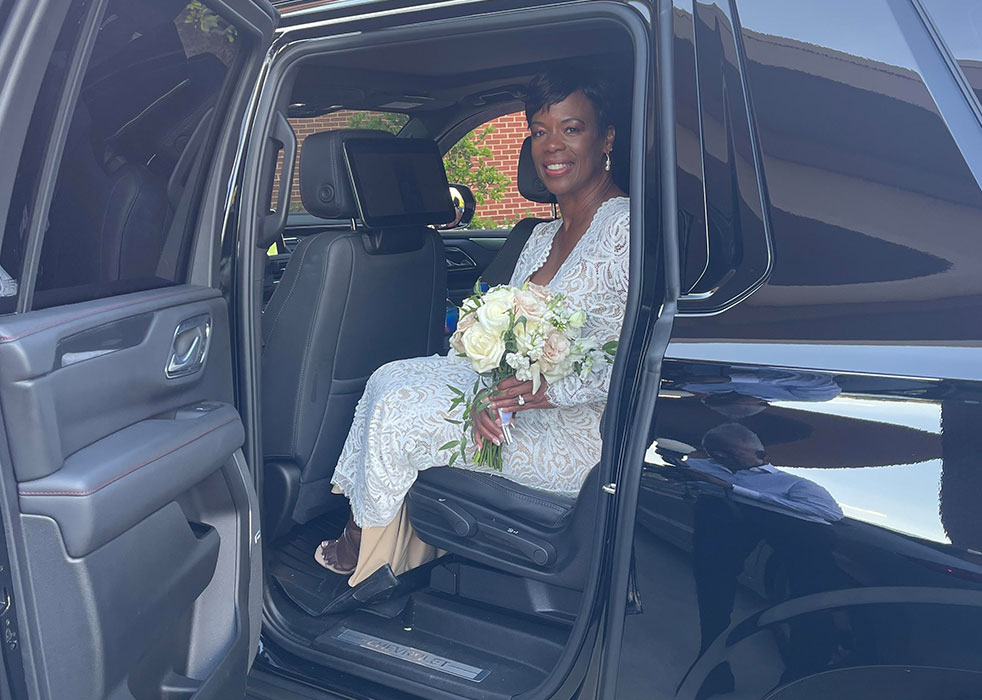
Executive transportation is more than a ride. It’s a planned way to protect your time, your focus, and the way others see your business. When your day is full of meetings, calls, and deadlines, the trip between places can either drain you or support you. A trained driver, a clean vehicle, and a clear schedule reduce small frictions that add up.
- You arrive calm instead of rushed.
- You keep your day on track when traffic shifts.
- You avoid last-minute parking stress.
Treating travel as part of the workday sets a steady pace before the first handshake and keeps attention on decisions, not roads.
Time Turns into Output
Traffic delay is a real business loss. Texas A&M Transportation Institute found that commuters in major U.S. urban areas lost about 54 hours to delay in 2022, basically a full work week.
- 54 hours disappear in tiny chunks you can’t invoice.
- Delays often hit right before a meeting time.
- One late start can trigger three more late starts.
With executive transportation, you plan around those hours with smarter routing and pickup buffers. While someone else drives, you can review a deck, write a proposal, or prep questions. If you reclaim 30 minutes per trip, two trips a day, five days a week, that’s 5 hours back every week—about 260 hours in a year.
Your Car Becomes a Desk
A business ride can work like a mobile office when it’s set up well. The basics are simple: a quiet cabin, stable seating, and safe access to power and data. Many executive vehicles include USB-C ports, 110V outlets, and strong cabin lighting for reading and note-taking.
- Work on a laptop safely because you’re not driving
- Take a call without road noise taking over
- Charge devices without hunting for adapters
Good seating matters too. A supportive seat and steady climate control reduce fatigue on longer runs. When your tools are ready—files open, calendar synced, charger plugged in—you switch tasks faster and waste fewer minutes restarting your train of thought after you arrive.
Fewer Interruptions, Better Focus
Driving is constant micro-decision making: speed, gaps, signals, lane changes, and sudden stops. That mental load can leave you tired before you start. A professional driver removes that load, which helps you save attention for high-value work.
- Read complex material with fewer breaks.
- Write messages with fewer typos and rewrites.
- Plan your next meeting with a clear head.
Focus improves when timing is predictable. A booked pickup with live location sharing reduces “Where’s the car?” stress. Between stops, you can outline next steps, assign tasks, and send clear notes while details are still fresh. When you arrive, you’re already in work mode, not recovery mode. That means fewer slow starts and more crisp follow-through.
Reliable Timing Builds Trust
A professional image is often built on small, repeatable signals. One of the biggest is punctuality. INRIX reported that U.S. drivers lost an average of 43 hours to traffic jams in 2024, costing about $771 in lost time.
- A reliable pickup reduces guesswork.
- Buffer time is built into routing, not your calendar.
- Arrival windows can be shared with assistants and clients.
When you show up on schedule, others can plan around you. That makes teams more effective and keeps meetings tighter. Over a quarter, fewer late starts can mean more decisions made in real time, fewer reschedules, and fewer “quick calls” that eat into evenings and weekends, especially when you’re hosting guests.
Safety Lowers Hidden Risk
Executive transportation is also a risk control choice. In 2023, NHTSA estimated about 6.14 million police-reported crashes, with 40,901 deaths and about 2.44 million injuries.
- The fewer miles you drive, the lower the exposure.
- A trained driver scans ahead and anticipates moves.
- A maintained fleet reduces mechanical surprises.
Safety supports productivity because disruptions are expensive. Even a minor crash can wipe out a day, damage client confidence, and trigger paperwork for weeks. Strong operators track maintenance dates, tire wear, brake checks, and inspections. Some also use telematics for service alerts and to spot harsh braking or speeding trends early. Ask if drivers get refresher training and if vehicles have modern safety aids like lane alerts.
Polished Arrivals, Stronger Brand
First impressions are fast. How you arrive sets the tone before you speak. A clean vehicle, a courteous driver, and a smooth drop-off can signal respect for the meeting and for the people waiting.
- Clients feel they’re getting your full attention.
- Partners see you as organized and prepared.
- Staff copy the standard you set.
This is not about flash. It’s about consistency and comfort. A driver who opens the door, confirms the name, and chooses a quiet drop zone makes arrivals feel controlled. A consistent vehicle type also helps when you’re picking up visitors from an airport or hotel. That control shows up in how you talk and negotiate, and it helps others relax around you.
Privacy for Sensitive Talks
Some conversations should not happen in a lobby, a rideshare, or a noisy street. Executive transportation can offer a more private space for calls, notes, and quick reviews of sensitive items.
- Discuss pricing, contracts, or hiring discreetly.
- Review documents without shoulder-surfing.
- Keep client names off public screens.
Privacy has a technical side too. Many services offer in-car Wi-Fi or hotspot access, and you can pair it with a VPN for safer data use. Use basic habits: lock your screen, use earbuds, and keep windows lightly tinted when possible. If you handle regulated data, avoid public Wi-Fi and use your phone hotspot instead. For printed papers, carry a slim folder and take it with you at every stop.
Better Use of Travel Budgets
Executive transportation can look like a cost, but it can protect against higher costs. The Texas A&M Urban Mobility work reports congestion costs per auto commuter that can run from the hundreds to over a thousand dollars a year, depending on city size.
- One missed meeting can cost more than a month of rides.
- Predictable pricing helps forecasting and approvals.
- Fewer parking fees and “I’m circling” delays.
A good approach is to compare total costs: your time value, mileage, parking, fuel, and delay risk. When those are counted, planned transportation can be a practical budget choice. It turns travel from a variable expense into something easier to manage and easier to explain to finance.
Tech That Keeps You Moving
Modern executive service is supported by practical tech that keeps trips smooth. Dispatch software matches vehicles to schedules, tracks ETAs, and reduces dead time between pickups. Route tools can reroute around incidents in minutes, not after you’re stuck behind a closure.
- GPS tracking lets assistants time handoffs.
- Digital receipts speed up expense reports.
- Fleet logs support planned maintenance.
Good providers also set rules for cabin comfort and connectivity. Ask about charging options, phone-signal strength on common routes, and whether the vehicle supports hands-free calling. Some fleets add driver apps that confirm arrival and log wait time, which keeps billing clear. You can request SMS updates so your team knows you’re five minutes out.
Wrap-Up and Next Step
Executive transportation improves productivity by turning travel into planned work time, reducing mental load, and lowering the chance of delays and disruptions. It also improves professional image through punctual arrivals, calm presence, and consistent service.
- You gain usable minutes on every trip.
- You protect focus for the work that matters.
- You show clients you respect their time.
The best results come from treating transportation as part of daily operations, not an afterthought. Choose a provider that shows up when promised, keeps vehicles clean, and communicates clearly. When you’re ready to make travel work for you, book your next trip with On-Time Car Services.